Poison Oak Removal in San Francisco, CA
Poison oak removal in San Francisco, CA is a specialized service that addresses one of the region’s most hazardous native plants. Poison oak spreads aggressively across residential properties, hillsides, and undeveloped areas, creating health risks for people and pets. Oscar Moreno Tree Service provides professional poison oak removal services designed to safely eliminate the plant while reducing the risk of re-growth and accidental exposure.
San Francisco’s mild climate allows poison oak to thrive year-round, especially in shaded areas, along fences, near trees, and across hillside terrain. Proper removal requires experience, protective handling, and careful disposal to prevent skin irritation and environmental spread.
Professional Poison Oak Removal Services
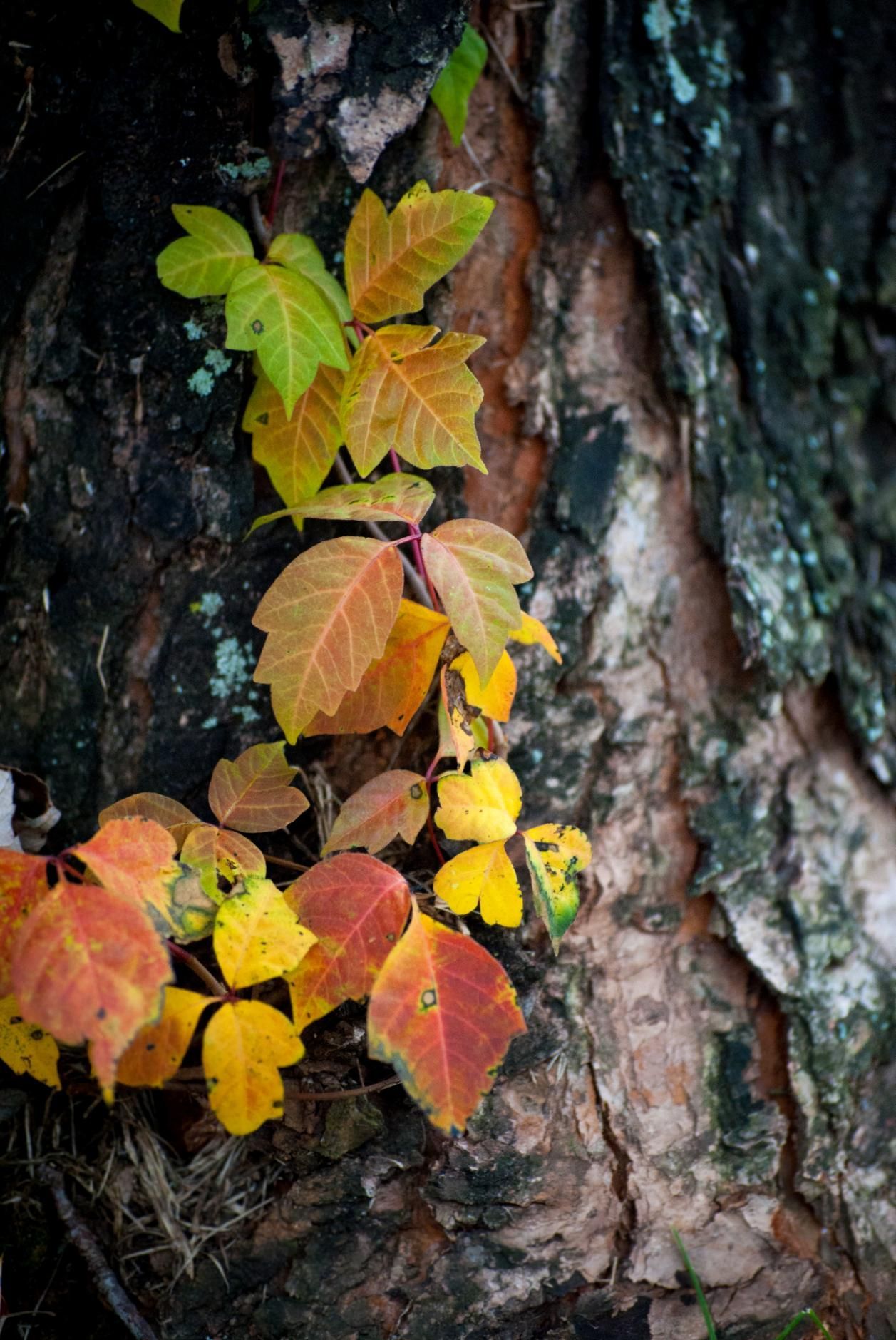
Poison oak removal is not the same as general vegetation clearing. The plant contains urushiol oil, which can remain active long after removal and easily transfer through tools, clothing, or airborne particles if disturbed improperly.
Oscar Moreno Tree Service
performs poison oak removal throughout San Francisco and nearby communities using controlled methods that limit exposure and reduce cross-contamination. Each project is handled with attention to safety, site conditions, and surrounding vegetation.
Areas Commonly Affected by Poison Oak
Hillsides and Sloped Terrain
Poison oak frequently spreads across hillsides where it intertwines with other plants. Removal in these areas requires controlled clearing to avoid erosion and regrowth.
Fence Lines and Property Borders
Poison oak often grows along boundaries where it goes unnoticed until it spreads aggressively. Clearing these areas helps prevent the plant from crossing into maintained spaces.
Tree Bases and Shaded Areas
The plant commonly grows beneath trees and shrubs, using them for support. Removal in shaded areas requires careful identification to avoid leaving roots behind.
Poison Oak Removal Process
Removing poison oak safely requires a step-by-step approach that minimizes exposure and ensures complete removal. Each phase is planned to protect both the property and anyone nearby.
Identification and Site Evaluation
The process begins by identifying poison oak growth patterns, root systems, and proximity to structures or walkways. This evaluation ensures all affected areas are addressed.
Controlled Plant Removal
Poison oak is removed using protective equipment and controlled techniques to prevent oils from spreading. Above-ground growth and root systems are targeted to reduce the likelihood of regrowth.
Containment During Removal
Plant material is handled carefully to prevent contact with surrounding surfaces. Containment methods help reduce accidental exposure and cross-contamination.
Health and Safety Considerations
Poison oak poses serious health risks if handled improperly. Professional removal helps prevent skin reactions and accidental spread throughout the property.
Urushiol Exposure Prevention
Urushiol oil can remain active on tools, soil, and debris. Professional removal methods focus on limiting contact and ensuring contaminated material is handled correctly.
Property Safety During Removal
Clearing poison oak improves safety for residents, visitors, and pets by eliminating hidden exposure zones across the property.
Poison Oak Removal for Residential and Commercial Properties
Poison oak removal services are available for both residential and commercial properties throughout San Francisco. Residential properties often require removal near yards, walkways, and outdoor living areas. Commercial properties may require broader removal to maintain safe access and usable grounds.
Residential poison oak removal focuses on protecting living spaces and frequently used areas. Commercial removal often involves larger or less accessible sections of land that require coordinated clearing.
Long-Term Poison Oak Management
Poison oak can return if roots or seeds remain in the soil. Periodic monitoring and follow-up removal help prevent regrowth and reduce future exposure risks.
Cleanup and Disposal After Poison Oak Removal
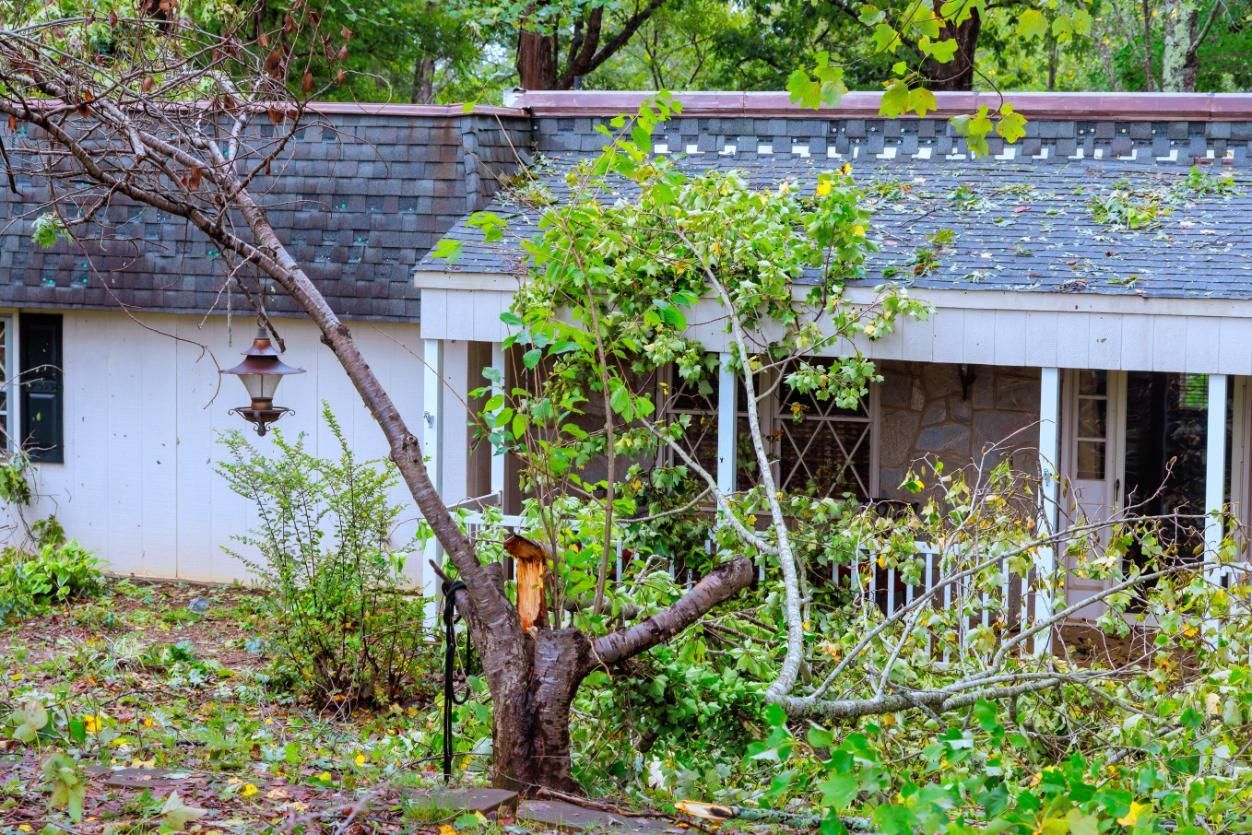
Cleanup is a critical component of poison oak removal. Improper disposal can reintroduce the plant’s oils to the property or surrounding areas.
Removal of Contaminated Debris
All poison oak debris is removed from the site to prevent lingering exposure. Proper handling ensures the area is safe for continued use.
Site Review After Clearing
After removal and cleanup, the area is reviewed to confirm all visible poison oak has been eliminated and no hazards remain.
Service Areas for Poison Oak Removal
Oscar Moreno Tree Service provides poison oak removal throughout San Francisco, CA and surrounding service areas, including the Bay Area, East Bay, Oakland, Alameda, Berkeley, Hayward, Pleasanton, and Castro Valley. These regions include many environments where poison oak grows aggressively.
Each service area is approached with an understanding of local terrain, vegetation density, and access challenges.
Poison Oak Removal Tailored to San Francisco Landscapes
Poison oak removal in San Francisco requires experience, caution, and proper technique. Addressing the plant early helps protect property use, health, and long-term land management goals.
Oscar Moreno Tree Service
delivers professional poison oak removal services designed to safely eliminate hazardous vegetation while preserving property conditions across San Francisco and nearby communities.


